The federalist take on Germany’s elections can be slightly optimistic. First, voters left a big impression on us with the eurosceptic "Alternative for Germany" (AfD); nonetheless, AfD did not manage to make it in the Bundestag. Together with the LINKE socialists eurosceptics have 14%, which is fairly low. Merkel stays Chancellor, unless the upcoming changes of leadership in the remaining political parties in the Bundestag lead to such a deadlock of the negotiations that new elections might prove necessary. This, however, is neither wanted nor likely given the political situation in Germany.
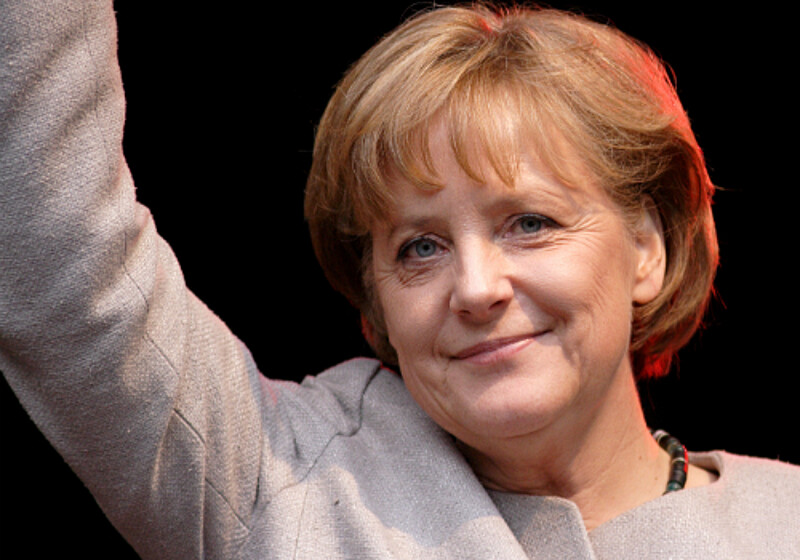
Germany’s elections this time around were more about the EU than they were about internal affairs. Merkel’s victory, which gained an almost absolute majority of seats in the Bundestag, shows that these elections were more about trust than national dossiers such as energy transition to renewables, social- or tax-policies. In other words, the importance of the management of the EU crisis outshined internal politics. Talking about a 80-million-people EU member state, with 16 federal states, that is something.
„We will quickly try to get a stable coalition in place“ a close aide to Angela Merkel told me yesterday before midnight in the CDU headquarters. No populists in the Bundestag and the commitment to find a stable coalition rather than fighting in trenches on EU questions provides hope for the near future of the EU.
As a Federalist, the German voters leave me alert for the upcoming elections. Germany trusts Merkel to lead further. In the role of that leader, however, Merkel should be prepared to liaise with other leaders to fight the frustration about the EU on a bigger scale.
Germany must stop being a hesitant actor on the EU stage that seems reluctant to communicate its approach in a transparent way. Merkel ought to become a trustworthy partner for the smallest and the biggest EU partners, as well as facilitate the EU to pick up this fight and to get the absolute majority of the citizens behind our common project.
We, together with the European Movement, must be prepared to help voters find a solid platform for the upcoming debate.
Christian Wenning, Secretary-General of UEF is a member of Angela Merkel's party CDU